M50 Engine for Daily Driving
Discovering the M50 Engine: What Makes This Legendary Powerhouse Stand Out?
The iconic M50 engine, a benchmark of BMW's automotive craftsmanship, has established a legacy in automotive history since its debut in the beginning of the 1990s. Its blend of strength, precision, and forward-thinking design has fascinated both everyday drivers and dedicated performance enthusiasts without distinction. Still, what truly distinguishes the M50 from competing engines of its era? Delving into its notable specs and everyday performance exposes a multifaceted account that extends well past raw figures.
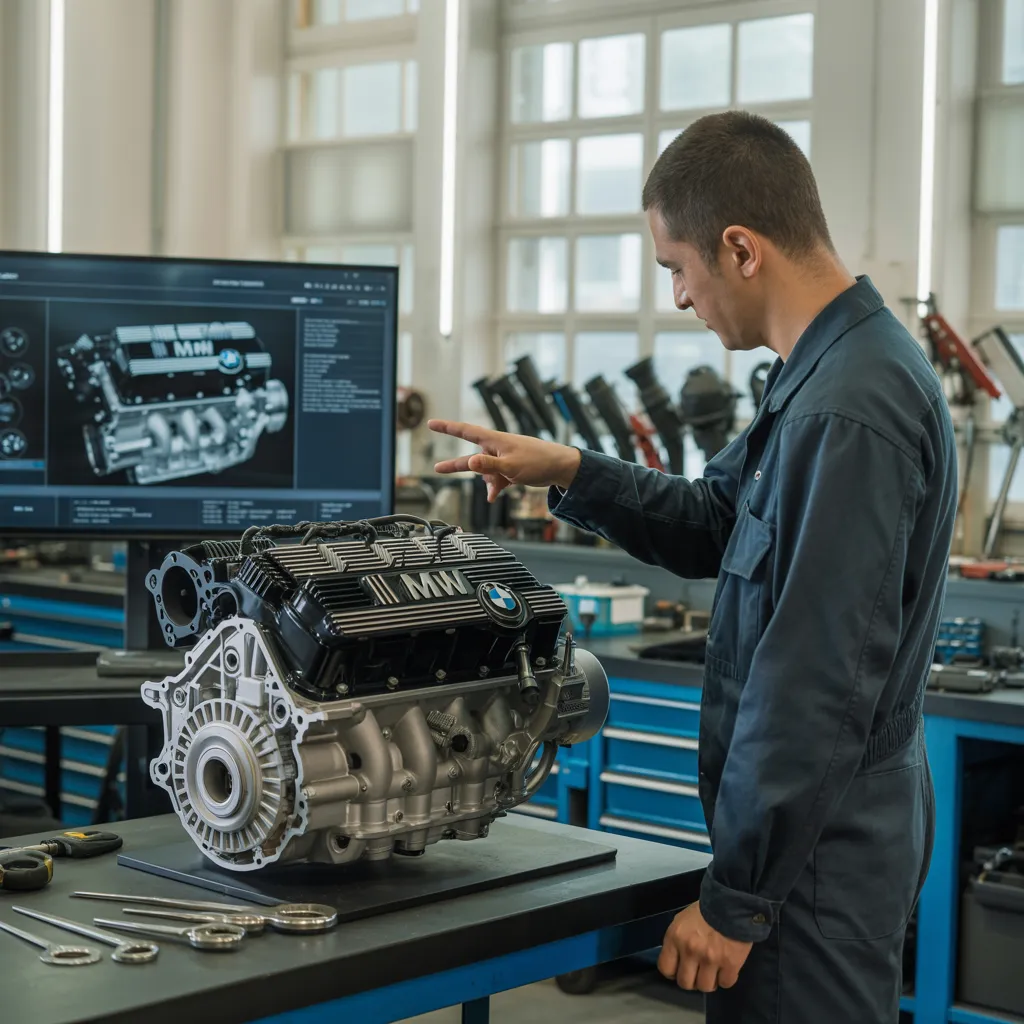
The M50 Engine and Its Legacy in Automotive History
The M50 powerplant , a pivotal component in BMW's engineering history, has greatly influenced automotive performance and design since its introduction in the beginning of the 1990s. Renowned for its inline-six design, the M50 paired refined operation with remarkable power output, establishing a new standard in its segment. This powerplant represented a transition to advanced engineering solutions, utilizing an aluminum block and a dual overhead camshaft configuration that enhanced both durability and performance.
The M50 engine's advanced features, such as its variable valve timing system, played a key role in its reputation for reliability and responsiveness. It was installed in various models, including the 3 Series and the Z3, leaving a lasting impact on BMW's lineup. Automotive enthusiasts celebrated the M50 for both its impressive performance and its tuning potential, which cultivated a robust community of aftermarket specialists. Consequently, the M50 engine continues to stand as a celebrated symbol of BMW's commitment to performance-driven engineering and design excellence in automotive history.
Key Specifications: What Makes the M50 Unique?
Technical specifications highlight the M50's unique qualities that set it apart from its contemporaries. This six-cylinder engine offers a displacement of 2.5L, delivering a harmonious blend of performance and fuel economy. Notably, the M50 utilizes a dual overhead camshaft (DOHC) design, optimizing airflow and boosting output at high revs. With an output of around 189 hp and 170 pound-feet of torque, it delivers strong performance and sharp throttle response.
The M50 also incorporates a highly refined Bosch Motronic engine management system, precisely controlling fuel delivery and ignition timing for maximum performance. Its aluminum construction supports a reduced overall weight, greatly benefiting handling and performance. Moreover, the engine's impressively low mass distribution enhances vehicle stability, making it a favored choice among automotive enthusiasts. These characteristics highlight the M50's reputation as a thoroughly balanced powerplant, offering a blend of reliability and spirited driving experience that appeals to both general motorists and hardcore performance seekers alike.
Benchmarking the M50: How Does It Measure Up?
When assessing the M50 engine's performance, essential factors encompass power output, torque characteristics, and overall efficiency. Measuring these elements against alternative engines will reveal the M50's strengths and weaknesses. This assessment is designed to deliver a comprehensive understanding of its competitive placement in the automotive landscape.
Output Power Comparison
Power output functions as a key metric in measuring the performance of the M50 engine against its competitors. The M50, known for its robust engineering, generally produces between 140 to 200 horsepower, according to the specific model and tuning setup. This range positions it competitively within its class, frequently exceeding comparable engines from competing brands. For instance, when measured against the widely used inline-four engines, the M50's power output provides a significant advantage, enabling better acceleration and overall performance. Furthermore, the engine's engineering enables a fluid power transmission, elevating the performance behind the wheel. Overall, the M50 distinguishes itself not just for its quantitative performance metrics but also for its ability to translate that power into dynamic, responsive performance on the road.
Torque Performance Analysis
In analyzing the torque characteristics of the M50, it is apparent that this engine exhibits remarkable performance metrics in comparison to its counterparts. The M50 is designed to deliver powerful torque throughout a broad RPM spectrum, contributing to superior drivability and responsiveness. This quality facilitates effective acceleration, particularly in mid-range power output, a critical aspect for routine driving and enthusiast performance. In comparison with similar engines in its class, the M50 often outperforms them regarding peak torque figures, solidifying its status as a dynamic powerplant. Furthermore, the engine's consistent torque profile delivers consistent power delivery, positioning it as a top choice across a range of drivers and enthusiasts, thereby strengthening its place in the performance market.
Efficiency Indicators Review
The M50 engine excels in torque characteristics while also showcasing impressive efficiency metrics that boost its overall value. With a refined fuel consumption rate, the M50 proves itself exceptional in its segment, offering a harmony between performance and fuel savings. Compared to competitors, the M50 offers superior thermal efficiency, leading to minimized emissions and reduced running costs. Its sophisticated fuel injection system enables accurate combustion, optimizing power delivery while reducing inefficiency. Moreover, the engine's reduced-weight construction contributes to greater fuel efficiency, making it a strategic choice for both performance enthusiasts and eco-conscious drivers. Ultimately, the M50 engine's efficiency figures cement its standing as a premier powerhouse in the automotive world, demonstrating ingenuity and real-world usability.
What Innovations Boost the M50's Performance?
Groundbreaking innovation shapes the M50's performance upgrades, creating a new milestone in the automotive industry. Advanced capabilities such as sophisticated fuel delivery systems and turbocharging significantly enhance the engine's performance and output capacity. The implementation of high-strength lightweight composites reduces overall weight, resulting in enhanced driving dynamics. Additionally, a sophisticated electronic control unit adjusts engine settings instantaneously, delivering peak output across diverse driving scenarios.
The M50's design also incorporates improved cooling technologies, which work to preserve superior performance throughout extended usage. Improved combustion mechanisms minimize emissions while preserving torque and horsepower. Additionally, the engine's flexible framework allows for easier upgrades and maintenance, providing flexibility for upcoming developments. Together, these innovations create a powerhouse that not only delivers impressive performance metrics but also defines a sustainability milestone in current engine development. The M50's advancements exemplify how cutting-edge technology can redefine automotive performance.
How Does the M50 Engine Perform in Real-World Applications?
The M50 powerplant highlights its flexibility through its applications in both competitive racing and daily use. In motorsport, its performance enhancements give drivers with the performance and agility needed for demanding race conditions. On the other hand, in everyday driving, the powerplant offers a blend of performance and reliability, establishing it as a preferred option among daily commuters.
Motorsport Performance Enhancements
Harnessing its robust design and versatile performance, the M50 engine has carved a niche in numerous motorsport applications. This motor excels in both amateur and professional racing circuits, offering dependability and adjustability that competitors and organizations value. Its compact design and superior air management enhance acceleration, making it a popular choice for track events and drift competitions. Enhancements such as turbocharging and aftermarket intake systems further maximize its horsepower, enabling competitive edge on the racetrack. Additionally, the engine's adaptability allows for installation in multiple platforms, from circuit cars to rally machines. Overall, the M50's proven performance and ease of modification contribute to its status as a preferred engine among motorsport enthusiasts seeking to optimize their on-track performance.
Daily Driving Experiences
A large number of drivers recognize the M50 engine for its blend of performance and practicality in everyday settings. This engine's smooth acceleration and responsive handling make it ideal for urban driving, where rapid adjustments are frequently necessary. Its capability to sustain economy without compromising power allows drivers to enjoy spirited drives while managing fuel economy.
Additionally, the M50 engine can be found across numerous vehicle models, from family sedans to sporty coupes, ensuring versatility across diverse driving preferences. Its solid engineering delivers dependability, positioning it as a top choice for drivers who prioritize vehicle longevity. In real-world applications, the M50 engine strikes a balance between responsive driving dynamics and the rigors of daily commuting, solidifying its reputation among everyday motorists.
Common Tuning Options for the M50 Engine Performance Enhancement
Boosting the capabilities of the M50 engine encompasses a variety of well-known modifications that hobbyists frequently pursue. A popular modification is the fitting of a performance air intake, which enhances air delivery, resulting in enhanced fuel combustion and increased horsepower. Additionally, many choose high-performance exhaust headers, which optimize exhaust circulation and minimize exhaust backpressure, further amplifying engine efficiency.
A further commonly sought modification is remapping the ECU, enabling precise fuel delivery and ignition timing adjustments suited to aftermarket components. Upgrading the exhaust system is also a favored choice, as a higher-flow system can considerably boost both sound and performance.
Ultimately, performance enthusiasts often consider incorporating aftermarket camshafts, which can significantly improve output throughout the RPM band. Collectively, these modifications not only elevate the M50 engine's performance but also contribute to a more rewarding experience behind the wheel, making it a popular choice for driving enthusiasts hoping to maximize the engine's full capabilities.
The Reason Gearheads Are Passionate About the M50 Engine?
Why do gearheads gravitate towards the M50 engine? This celebrated motor, crafted by BMW, captures enthusiasts' hearts due to its mix of performance, durability, and customization potential. The M50's six-cylinder arrangement delivers smooth power delivery and robust torque, making it a top choice for road and racing use. Its uncomplicated construction facilitates effortless servicing and customization, appealing to DIY aficionados.
Additionally, the M50 engine features a strong aftermarket support, offering a wealth of options for modifications, from turbo kits to performance intakes. This versatility empowers gearheads to customize their vehicles to their individual preferences, whether they seek daily reliability or competition-level performance. Furthermore, the M50's reputation for durability confirms that it can handle the requirements of intensive applications. Combined, these characteristics establish the M50 engine's status as a beloved choice among motor enthusiasts, building a passionate community around it.
Questions We Often Receive
Which Vehicles Originally Came Equipped with the M50 Engine?
The M50 powerplant was originally found in a range of BMW models, such as the 325i and 525i during the 1990s. Its versatility allowed it to be utilized in both performance vehicles and sedans, enhancing performance across the lineup.
How Does the M50 Stack Up Against Newer Engines?
The M50 powerplant, though well-regarded for its dependability and capability, does not match the technological innovations and fuel efficiency of contemporary engines. Advancements in turbocharging, fuel delivery, and hybrid technology have markedly enhanced power and fuel economy in modern vehicles.
What Is the Average Lifespan of an M50 Engine?
The standard lifespan of an M50 engine ranges from 200,000 to 300,000 miles when properly maintained. Factors such as operating conditions, driving habits, and maintenance frequency heavily affect both its longevity and performance.
Are There Common Issues With the M50 Engine?
Common issues with the M50 engine include VANOS unit malfunctions, oil leaks, and cooling system failures. Drivers commonly report concerns stemming from wiring harness deterioration and intake manifold gasket failures, impacting the engine's overall resource reliability and performance.
What Are the Maintenance Costs of an M50 Engine?
The upkeep expense for an M50 engine usually runs from $300 to $1,000 each year, influenced by factors such as usage patterns, repair needs, and whether standard maintenance or extensive overhauls are necessary for optimal performance.